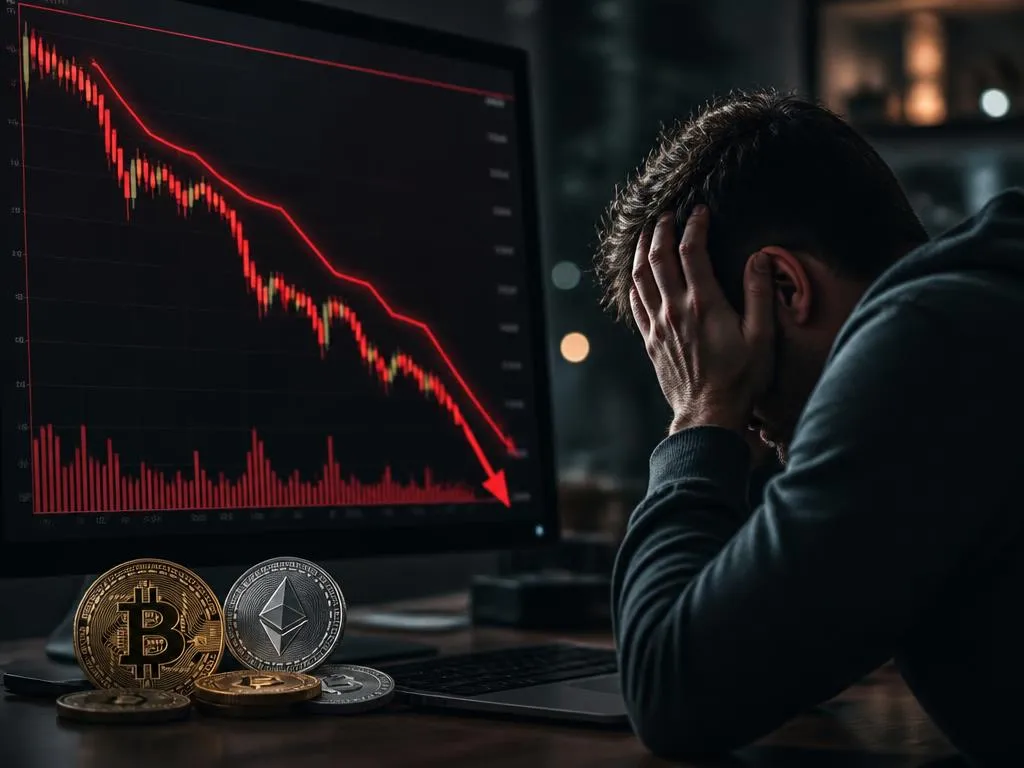
Entering the fast-paced world of digital assets often leads newcomers to ask whether they can go negative in crypto. While traditional finance handles debt through banking systems, the decentralized nature of these markets creates unique scenarios for investors. Understanding how balances work is vital for anyone looking to navigate this landscape safely and effectively.
Most standard exchange accounts prevent you from falling below a zero balance, as you cannot spend what you do not possess. However, specific advanced financial instruments or leveraged positions can lead to situations where your equity is wiped out, potentially leaving you exposed to further financial obligations or system liquidations.
Understanding the mechanics of negative balances
In a standard spot market environment, your wallet will simply show zero holdings once your assets are depleted. You cannot trade with funds that do not exist, ensuring that you generally do not owe the platform money. This simplicity remains a fundamental protection for retail users just beginning their journey into blockchain technology.
However, once you venture into advanced digital infrastructure, the rules change significantly. Margin trading and futures contracts allow for exposure that exceeds your initial capital investment. If the market moves against your position rapidly, your account equity can drop quickly, leading to what many traders call a negative liquidation balance.
When you use leverage, you are effectively borrowing capital from the exchange or a liquidity pool to increase your market position. If the price of your asset drops, the platform will initiate a liquidation process to recover its loan. Under extreme market volatility, the system might fail to close your trade exactly at the desired price.
This slippage can occasionally result in your account falling below zero. While most reputable exchanges maintain insurance funds to cover these deficits, some platforms may hold users responsible for the shortfall. It is essential to read the terms of service carefully to understand your legal liability before engaging in high-leverage trading activities today.
The risks associated with margin and debt
Margin trading is essentially a debt-based activity where you leverage your existing portfolio to borrow more tokens. If the value of your collateral shrinks, the exchange issues a margin call, requiring you to deposit more funds. Failing to act leads to the automatic closure of your positions to prevent a net loss for the system.
Some traders attempt to mitigate these risks by exploring digital publishing trends to stay informed. Knowledge is indeed your best defense against unexpected market movements. By staying updated, you can adjust your strategies before your account reaches a critical threshold that could lead to financial instability or deep losses.
💡 Tips for avoiding account deficits
- Always use stop-loss orders to limit potential downsides automatically.
- Avoid over-leveraging your trades by keeping exposure within conservative limits.
- Regularly monitor your portfolio health to prevent unexpected liquidations.
- Review your exchange status on a reliable digital blog for platform updates.
Maintaining a healthy balance requires discipline and a solid understanding of how market orders function during periods of high volatility. When you trade with borrowed funds, your primary goal should be capital preservation rather than aggressive gains. By limiting your exposure, you ensure that you stay within your comfortable risk management parameters at all times.
Many beginners fail to realize that the speed of execution in decentralized markets is unforgiving. Unlike traditional stock markets, which may have circuit breakers to pause trading during crashes, crypto markets operate continuously. This negative balance risk is real if you do not manage your leveraged positions with extreme caution and professional oversight.
Can you recover from a negative position?
If your account balance does end up in the red, the recovery process depends entirely on the exchange policy. Some platforms will simply freeze the account until the debt is settled by the user. Others may attempt to auto-repay the debt if you have other assets held in different wallets on that same platform.
It is important to remember that financial liability is a serious matter in the digital age. Most users find that the best way to avoid this is to stick to spot trading, where you own the underlying assets. By owning the coins outright, you eliminate the risk of owing money to the exchange permanently.
✅ Key takeaways for safer trading
You should prioritize security above all else when managing your capital. Remember that market volatility can turn a winning trade into a deficit in seconds if you are using leverage. Always verify the platform reputation before connecting your wallet, and never invest money that you cannot afford to lose entirely during a sudden market downturn.
As you grow more experienced, you will learn to navigate these complexities with greater confidence. Many professionals suggest starting with small, non-leveraged trades to understand the price action dynamics. This approach builds the necessary skills without exposing your account to the dangers associated with borrowing capital from centralized or decentralized trading service providers.
Ultimately, the ability to go negative is a feature of advanced financial tools rather than a fundamental property of cryptocurrency itself. By remaining cautious and informed, you can enjoy the benefits of the digital economy while protecting your personal finances from unnecessary risks that might occur during periods of intense market stress or rapid asset depreciation.
Final summary of risk management
Trading without leverage is the safest path for most retail participants. If you choose to explore advanced strategies, ensure you have a clear plan for your stop-loss parameters to prevent a negative account state. Education remains your most powerful tool in navigating this complex and exciting financial landscape effectively every single day.
