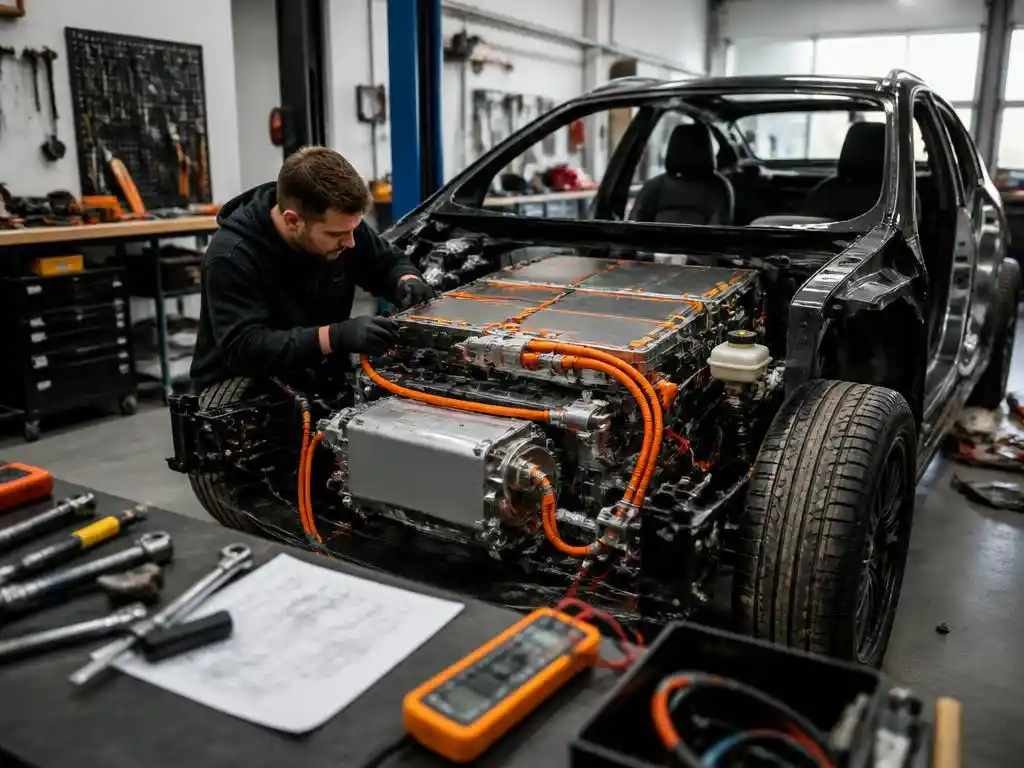
Embarking on a mission to build your own electric car represents the pinnacle of modern engineering projects for enthusiasts and hobbyists alike. By converting a conventional gasoline vehicle into a battery-powered machine, you contribute directly to the reduction of carbon emissions while mastering advanced mechanics. This process demands a meticulous approach to electrical systems, chassis weight distribution, and safety protocols to ensure road legality. Whether you are driven by environmental concerns or a passion for sustainable innovation, this journey offers a deep dive into the fascinating world of electric mobility and renewable energy propulsion systems.
Understanding the fundamental requirements is essential before you pick up your first tool or purchase any high-voltage components. From choosing the right donor vehicle to selecting efficient motor controllers, every decision impacts your final performance and driving range. Transitioning from combustion to electric power involves careful planning, budgeting, and technical skill. As we explore the intricacies of this transformation, you will discover how to navigate the complexities of power electronics and battery management. Prepare to learn about the critical hardware needed to turn a dream into a functional, emission-free vehicle that reflects your technical ingenuity.
Selecting The Ideal Base Vehicle
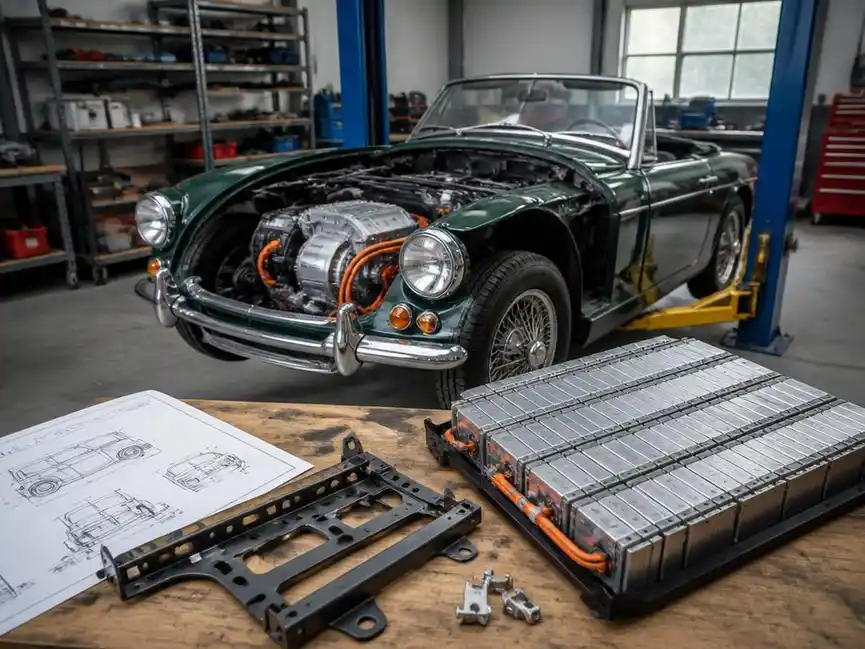
The foundation of any successful conversion is the choice of the donor platform. You should prioritize lightweight vehicles, as extra mass significantly reduces battery efficiency and range. Small hatchbacks or vintage roadsters are often ideal candidates due to their simplicity and lack of complex onboard computer systems that might interfere with aftermarket electronics. Always inspect the chassis for structural integrity before committing to the project, as rust or frame damage can compromise safety once the heavy battery packs are installed. A solid base ensures that your efforts result in a reliable, high-performance electric conversion that handles well on public roads.
When selecting your donor, consider the available space for battery modules. Modern lithium-ion packs require specific mounting configurations to maintain a low center of gravity. You must also evaluate the existing transmission system, as many builders choose to keep the original manual gearbox to optimize torque delivery. However, some advanced setups utilize a direct-drive configuration to simplify the drivetrain. If you are struggling with complex CAD drawings or design challenges, you might find structural steel connection design resources helpful for drafting your custom battery mounts and motor adapters to ensure long-term mechanical stability and passenger safety.
Safety remains the most critical aspect of the entire conversion. High-voltage systems require specialized training and tools to prevent electrical shocks or thermal incidents. You must install robust contactors and high-speed fuses to protect the battery management system from short circuits. Furthermore, the insulation of all high-voltage cables must be rated for the peak voltage of your pack. Designing a secure enclosure for the batteries protects them from environmental elements and physical impacts. Professional wiring practices will prevent common failures, ensuring that your vehicle remains both reliable and safe for everyday driving conditions during your travels.
Core Components For Electric Propulsion
To successfully build your own electric car, you need to source a reliable electric motor, a programmable controller, and a high-capacity battery bank. The motor acts as the heart of your vehicle, converting stored electrical energy into mechanical torque. Meanwhile, the controller acts as the brain, regulating how much power flows to the motor based on your throttle input. Many builders now prefer brushless permanent magnet motors for their superior efficiency and power-to-weight ratios. Always ensure your controller is properly heat-sinked to manage the intense thermal loads generated during sustained acceleration or high-speed mountain driving sessions.
Effective battery management is the secret to achieving long range and longevity. A quality Battery Management System, or BMS, is mandatory to monitor cell voltages and prevent individual cells from overcharging or dropping below critical safety thresholds. If your project faces delays due to poor team coordination or resource planning, looking into internal communications strategies could help streamline your build process. By keeping clear documentation and communication logs with your project partners, you can avoid costly errors and ensure that every technical milestone is met with precision and adherence to established engineering standards during the assembly phase.
Once the mechanical and electrical installations are complete, rigorous testing begins. Start with low-voltage system checks to verify that the dashboard instruments and lights function correctly. Then, move to static load testing of the electric motor on jack stands to confirm the wheel direction and throttle response. Only after verifying all safety interlocks should you proceed to low-speed test drives in controlled environments. Monitoring the thermal performance of your controller and motor during these first few miles will provide critical data. This sustainable transportation project requires patience, as fine-tuning the motor maps can significantly enhance your driving experience and overall energy efficiency.
Navigating Legal And Registration Hurdles
Building a car is only half the battle; getting it registered for road use is a distinct challenge. Each jurisdiction has its own set of requirements regarding vehicle safety inspections, lighting standards, and brake system compliance for home-built automobiles. You must document every modification with photos and receipts to satisfy local transportation authorities. Many states require a brake test and a weigh-in to ensure the vehicle remains within the original design parameters. Staying transparent with your local DMV throughout the process is vital for success when you finally seek official approval to drive your creation on public highways.
Working with a professional consultant can be an absolute game-changer when you encounter complex regulatory issues. Just as companies often seek a digital marketing consultant to navigate competitive markets, a technical advisor can help you interpret obscure automotive laws. These experts often have experience with specialized registration processes and can guide you on how to present your documentation to inspectors. By leveraging professional advice, you minimize the risk of rejection and ensure that your paperwork reflects the engineering quality of your build, making the transition from a garage project to a road-legal car much smoother.
After the legal hurdles are cleared, regular maintenance becomes your new focus. Electric vehicles have fewer moving parts than combustion cars, but they still require attention. Regularly inspect your high-voltage connections for corrosion and check the coolant levels in your motor and controller cooling loops. Keep your tires properly inflated, as rolling resistance significantly impacts the total range of your electric conversion. By performing consistent maintenance, you preserve the value of your work and continue to enjoy the quiet, smooth torque that defines the electric driving experience. Your commitment to maintenance ensures long-term joy from your unique custom vehicle.
Tips For Optimizing Energy Efficiency
- Choose low-rolling-resistance tires to maximize range.
- Implement regenerative braking to recover kinetic energy.
- Use lightweight materials for any custom battery enclosures.
- Minimize aerodynamic drag with smooth body panels.
- Ensure your battery pack stays within the ideal operating temperature.
As you gain more experience, you might decide to upgrade your charging infrastructure. Installing a Level 2 home charging station significantly reduces the time required to top off your batteries compared to a standard wall outlet. Understanding your local electrical grid and the charging protocols available is essential for any modern electric vehicle owner. As technology continues to advance, new battery chemistry options might become available to extend the life of your vehicle further. Staying connected to the community of fellow builders will provide ongoing inspiration and access to the latest advancements in DIY electric propulsion and energy storage.
The satisfaction of driving a vehicle you built yourself is unmatched in the automotive world. You have successfully moved away from fossil fuel dependence and created something entirely new. This technological transformation process serves as a testament to your hard work and commitment to a cleaner future. Whether you use your electric car for short commutes or as a weekend showcase, you are part of a growing movement of pioneers who are rethinking how we move. Keep refining your design, stay curious about new components, and enjoy the whisper-quiet performance that only a custom-built electric vehicle can provide to the driver.
Key Takeaways For The Builder:
Focus on weight reduction during the initial design phase to optimize range. Always prioritize high-voltage safety by using high-quality components and proper insulation. Keep thorough records of all modifications to simplify the eventual registration and road-legal certification process. Don’t be afraid to consult with experts when facing complex legal or technical challenges. Finally, enjoy the process of learning and the pride of driving a vehicle that reflects your vision of future mobility solutions and sustainable engineering. Persistence in these areas will lead to a successful, reliable, and highly rewarding final product that stands out on any road.
Finally, remember that the electric conversion community is vast and full of helpful resources. Join online forums, attend local meetups, and share your progress with others who are embarking on similar journeys. Every challenge you solve contributes to your expertise and the collective knowledge of the movement. By continuously learning and adapting your approach, you ensure that your electric car remains a pinnacle of efficiency and performance for years to come. Your journey from a curious enthusiast to a proficient electric vehicle builder is an inspiring path that perfectly captures the spirit of modern, sustainable innovation and mechanical achievement.
