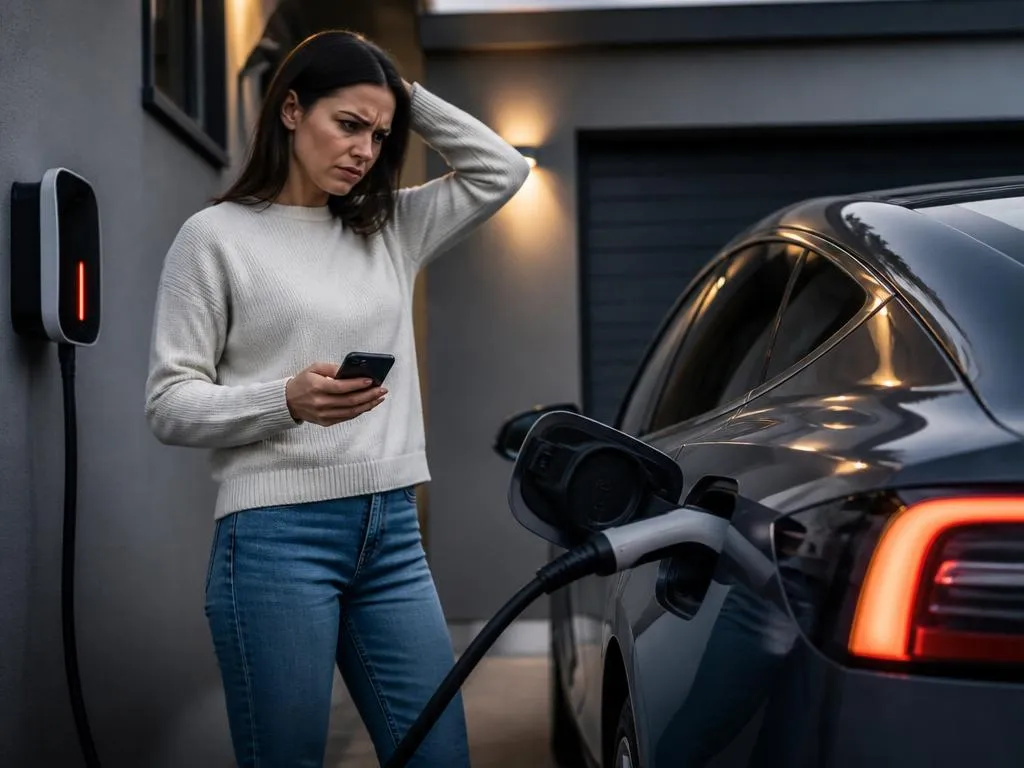
Finding that your electric car is failing to charge when plugged in at home can be an incredibly stressful experience for any owner. This common issue often stems from simple communication errors between the vehicle and the charging station, rather than a major mechanical failure. Understanding the underlying causes of charging interruption is essential for maintaining your mobility and peace of mind during your daily commute or planned trips. By systematically checking your hardware and software settings, you can often identify the root cause without needing an immediate visit to a certified service technician or specialist.
Whether you are dealing with a slow charge rate or a complete lack of power transmission, pinpointing the specific failure point requires patience. Modern vehicles rely on complex protocols to ensure safety during the high-voltage energy transfer process. When these handshake protocols fail to complete, the system safely terminates the session to prevent damage to the battery or the infrastructure. Before calling for roadside assistance, we invite you to explore this diagnostic guide to determine if your electric car won t charge properly due to minor environmental factors or configuration errors that are easily fixable.
💡 Quick diagnostic summary
- Check if the plug is fully seated in the charging port.
- Verify that the home breaker has not tripped due to an overload.
- Ensure your scheduled charging software is not delaying the initiation.
- Inspect the cable for any physical signs of damage or extreme wear.
Checking the home connection and power source
The primary suspect in many charging failures is the connection between your wall box and the vehicle port. Dust, debris, or moisture within the socket can trigger safety sensors that prevent the flow of electricity. It is crucial to perform a visual inspection of the pin alignment to ensure everything is clean and dry. If the connection seems secure, you should verify if the electrical panel in your home requires a reset. Sometimes, power fluctuations can cause a breaker to trip, which is a common occurrence if you are managing multiple high-demand home appliances simultaneously.
If you have recently updated your hardware, you might benefit from reviewing an effective service strategy to ensure your setup is compliant with current standards. A stable power supply is the backbone of reliable vehicle maintenance. If you notice flickering lights in your garage while attempting to charge, there is a strong possibility that your local grid connection is unstable. In such cases, professional electrical contractors are necessary to assess the capacity of your circuit. You can find local experts who specialize in residential installations to conduct a thorough audit of your charging infrastructure today.
Software and communication protocols
Modern electric vehicles are essentially computers on wheels, and their charging cycles are governed by sophisticated software. If your charging system error persists, check the settings within your vehicle’s infotainment interface. Many owners accidentally set a departure timer that keeps the car in standby mode, waiting for a specific time to pull power from the grid. Disabling these timers or resetting the profile to manual mode often resolves the issue instantly. Software updates provided by the manufacturer can also resolve bugs that interfere with the communication handshake between the station and the car’s management system.
For those dealing with more complex diagnostic requirements, it helps to understand how different components interact. Just as you might need to manage troubleshooting for appliances in your kitchen, maintaining your car involves a similar level of attention to technical detail. If the software seems unresponsive, try a hard reset of the vehicle’s infotainment system. This simple procedure clears temporary cache files and allows the onboard computer to re-establish a fresh handshake with your residential charging hardware, often restoring the energy flow without further intervention from a technician.
⚠️ Safety warning
Never attempt to force a charging cable into a port if there is significant resistance. If you notice signs of melting, burning, or localized heat, disconnect the power supply immediately from the main breaker. Do not use damaged equipment under any circumstances, as this poses a severe risk of electric shock or fire.
Environmental factors affecting performance
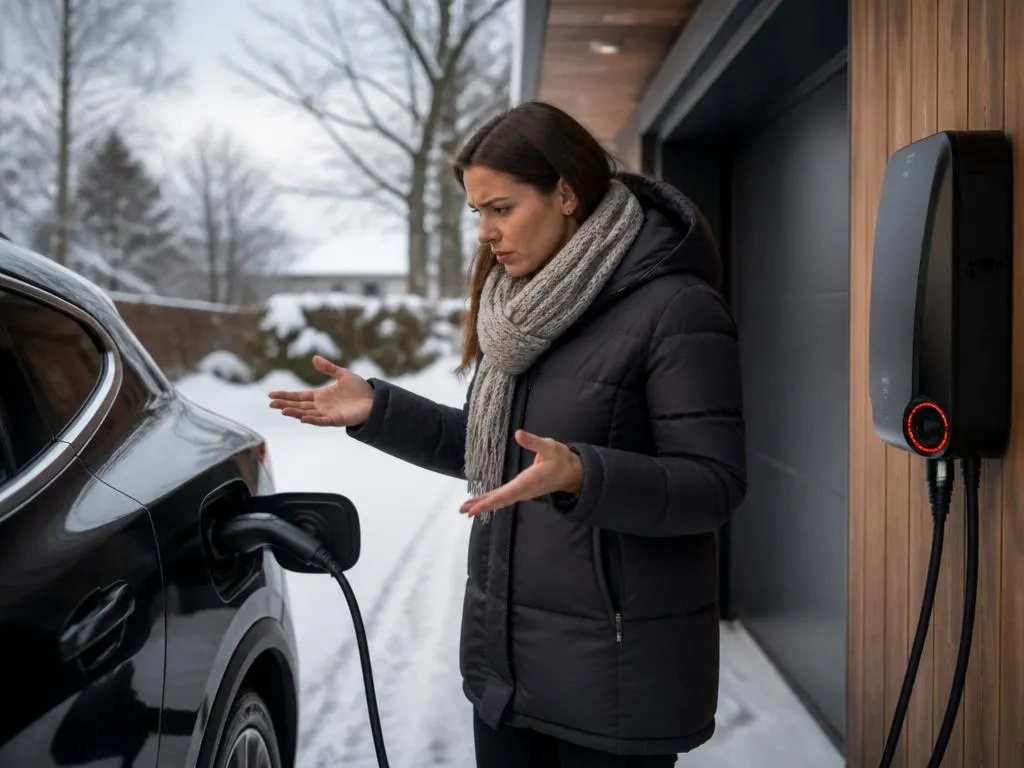
Temperature plays a massive role in the chemical stability of lithium-ion batteries. Extreme cold can significantly increase the internal resistance of the cells, causing the vehicle to reject a fast-charge request until the pack reaches a safer operating temperature. In these instances, the battery management system may prioritize warming the battery over accepting a full charge. This is a protective feature, not a mechanical failure. Park your vehicle in a climate-controlled garage or keep it plugged in during lower power modes to help the system regulate temperatures effectively.
Furthermore, humidity and extreme heat can influence the integrity of your charging cable’s insulation. If your equipment is stored outdoors, check for signs of degradation that might affect current flow. High-quality cables are built to withstand the elements, but exposure to persistent moisture over several years can cause internal corrosion. Understanding these environmental variables will help you manage your expectations during harsh weather seasons, ensuring your vehicle remains ready for the road despite the ambient conditions impacting the overall efficiency of your daily charging routine.
✅ Proactive maintenance tips
- Perform monthly visual inspections of the cable insulation.
- Keep the charging port protected from rain and heavy snow.
- Update your vehicle’s firmware whenever a notification appears on the dash.
- Keep your charging area organized to prevent cable tension and stress.
Advanced diagnostics and professional help
If you have followed all the basic steps and the problem remains, the issue may lie deeper within the vehicle’s onboard charger or the communication module. In these scenarios, attempting further DIY repairs is discouraged. Specialized equipment is required to read fault codes hidden within the onboard diagnostic system. Similar to how one might research data processing software tools for specific technical workflows, you should rely on the official diagnostic software provided by your car manufacturer to gain deeper insights into why your specific charging session is being rejected by the vehicle.
When you contact a service center, be prepared to provide them with the time the incident occurred, the state of charge, and any warning messages displayed on your dashboard. This documentation helps the service team isolate the problem much faster. Do not feel discouraged, as many of these issues are covered under standard powertrain warranties. Once the underlying hardware or software conflict is resolved, your vehicle will return to its standard performance, allowing you to enjoy the benefits of electric mobility without the constant worry of unexpected power outages at home.
💡 Summary Checklist
Before assuming the worst, remember that 90% of charging issues are related to loose cables, tripped circuit breakers, or software timers. Keep a record of your vehicle’s behavior, stay updated with official firmware, and ensure your home electrical setup is professionally inspected to prevent common bottlenecks that interfere with your daily energy replenishment needs.
When to seek specialized technical assistance
While many home charging interruptions are user-fixable, there are clear indicators that signal a need for professional intervention. If you smell ozone, burning plastic, or notice visible sparks near the charging port, you must cease all efforts to charge immediately and contact your dealer. These are signs of a critical failure that could compromise the safety of your home wiring. It is better to prioritize the safety of your property than to attempt a risky repair on a high-voltage system that has clearly experienced a catastrophic hardware component malfunction.
Finally, consider the lifespan of your charging station. Even the most robust home chargers have a service life. If your unit is several years old and showing signs of intermittent failure, it might be time to consider an upgrade to a newer, smarter charging unit. Newer models offer better diagnostics, enhanced safety features, and more reliable communication with modern vehicle architectures. By investing in the right equipment and staying vigilant with your maintenance schedule, you can ensure your electric vehicle remains a reliable and efficient mode of transportation for many years of worry-free driving ahead.
